
Mexico Czechia World Cup 2026 Ochoa
Sports Frontier Facebook Instagram Youtube Mexico Completes Perfect Group Stage as Guillermo Ochoa Makes History in 3-0 Win Over Czechia...
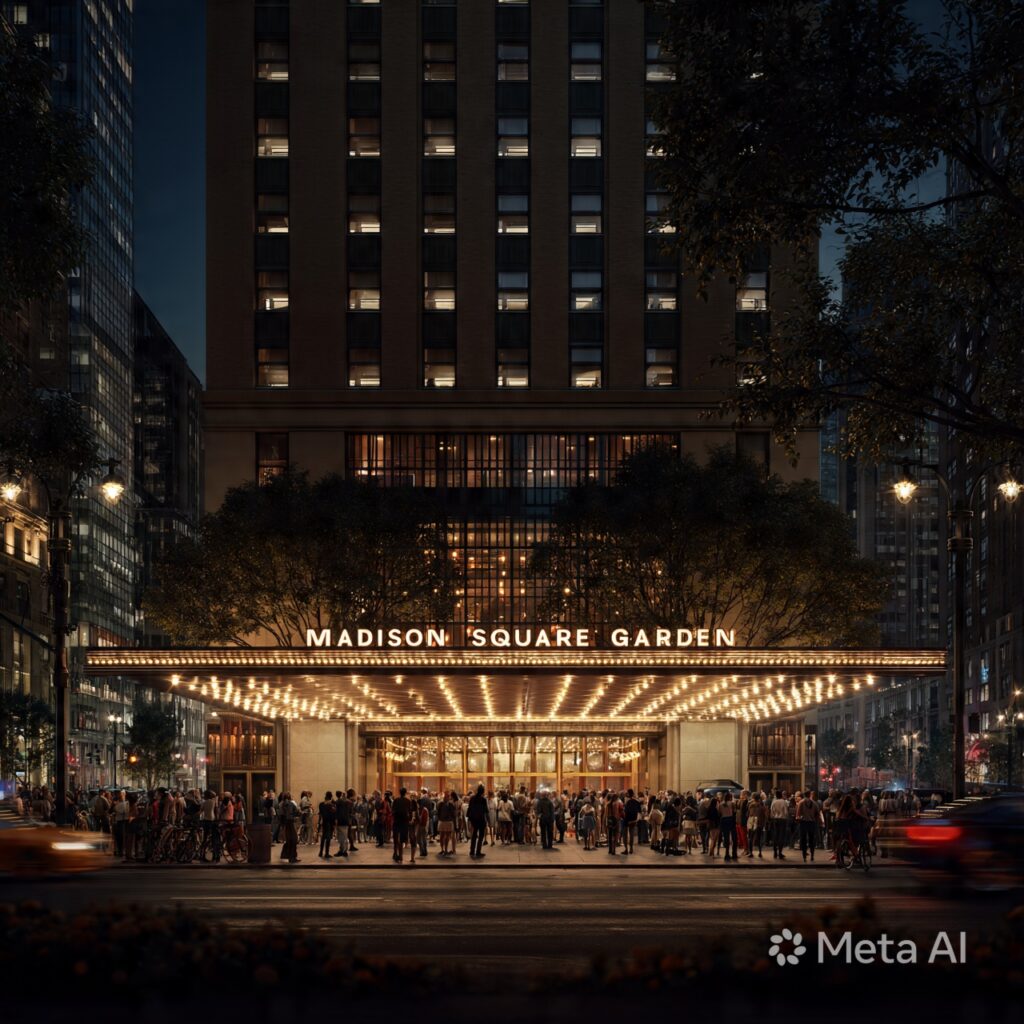
Read More → Monday night at Madison Square Garden was supposed to be about basketball. The New York Knicks, riding a remarkable 13-game playoff win streak, were hosting the San Antonio Spurs in Game 3 of the 2026 NBA Finals with a chance to go up 3-0 and all but secure a championship. Instead, the night’s most talked-about moment had nothing to do with a jump shot or a defensive stop.President Donald Trump was loudly booed at Madison Square Garden when he was shown on video screens during the national anthem, becoming the first sitting president to attend an NBA Finals game. The reaction was immediate, overwhelming, and impossible to ignore and by the time the final buzzer sounded on a 115-111 Spurs victory, Trump’s presence had become as much a part of the Game 3 story as the loss itself.
The moment unfolded during the opening ceremony, and it was captured on the ABC broadcast for the entire country to see.
As Broadway star Avery Wilson sang the National Anthem, the camera faded to a shot of Trump saluting the flag, and MSG erupted into boos. Faint claps for the President could be heard on the broadcast, but they were overwhelmed by the crowd’s reaction.
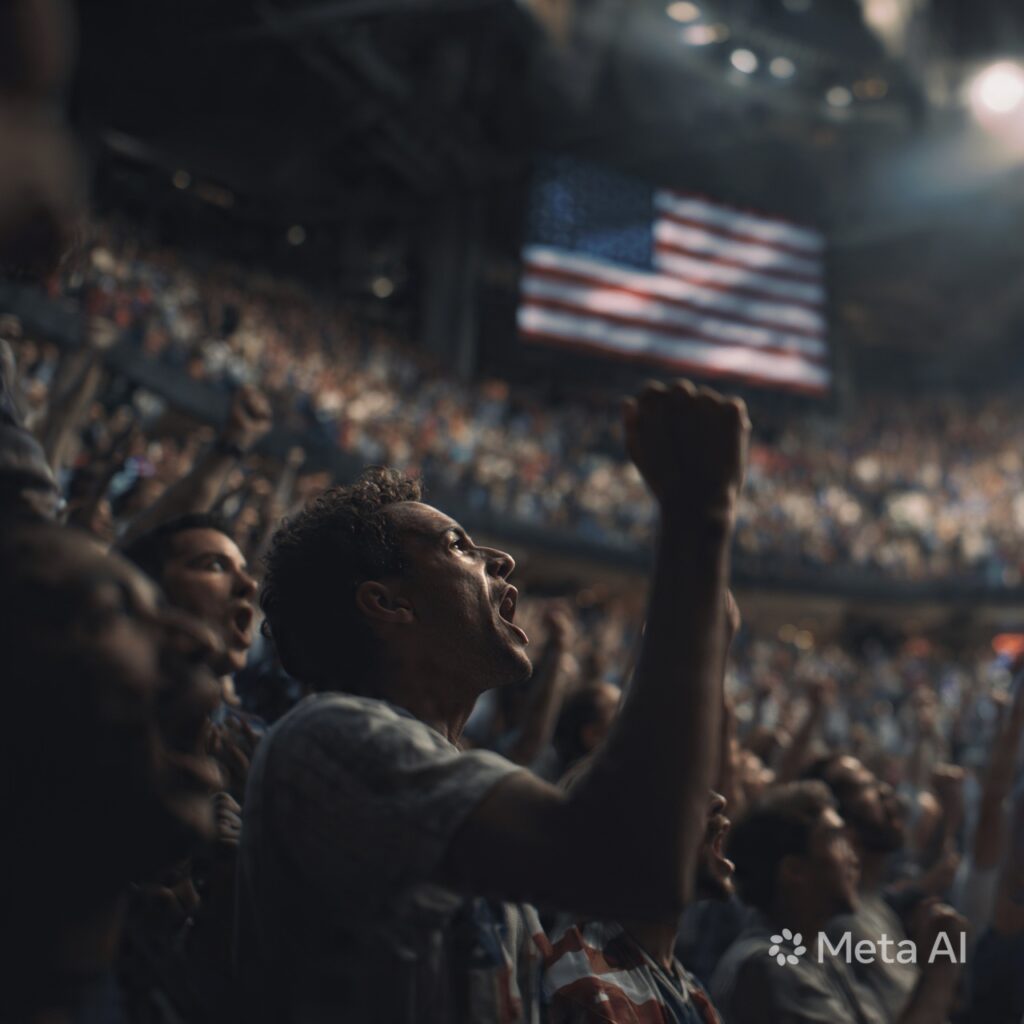
Chants of “U-S-A! U-S-A!” echoed through the arena during the anthem, but they gave way to boos moments later as Trump was displayed on the jumbo screens giving a military salute. The jeers ended when the U.S. flag followed him on the screens, and fans cheered loudly when New York Knicks players were shown.
Trump did not appear rattled by the reception. The president was unfazed, telling reporters after the game before boarding Air Force One: “It was, I think, mostly cheers. It was loud, and it was very enthusiastic.”
The crowd inside MSG told a different story
Trump attended the game as the guest of Knicks owner James Dolan, a long-time friend who donated hundreds of thousands of dollars to his presidential campaigns. The invitation was not a surprise Trump had revealed earlier in the month that Dolan had personally asked him to come.
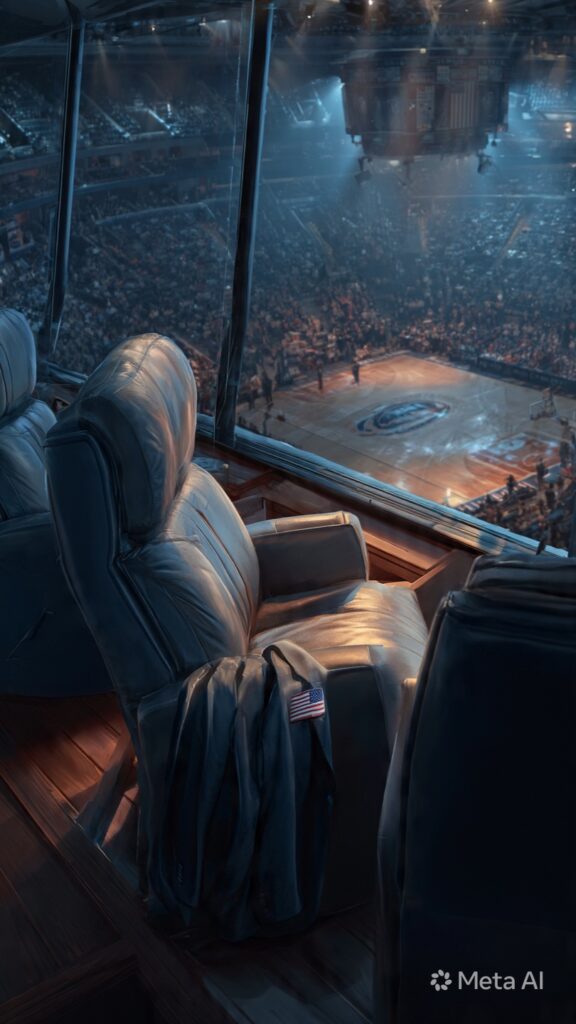
Trump was standing in Dolan’s box, accompanied by a slew of administration officials including Transportation Secretary Sean Duffy, Interior Secretary Doug Burgum, White House deputy chief of staff Dan Scavino, and EPA Administrator Lee Zeldin. Family members including special envoy Jared Kushner and granddaughter Kai Trump also joined.
NBA Commissioner Adam Silver addressed Trump’s presence directly before tipoff. Silver told ESPN that Trump was a “genuine Knicks fan” who used to have courtside seats, and said simply: “He’s welcome to be here. What makes sports so special, especially when there’s so much that divides people, is it’s something that we have in common.”
The fans at courtside level had a different view. And they were not shy about expressing it.
The booing at MSG was loud. But to anyone who understands New York City’s political landscape, it was not surprising.
A native of Queens who first gained fame as a brash Manhattan real estate developer, Trump is now deeply unpopular in heavily Democratic New York City. In the 2024 presidential election, Trump received fewer than 839,000 votes in the city, compared with more than 1.9 million votes for Democratic nominee Kamala Harris.
The city that shaped Trump’s identity its skyline, its tabloids, its real estate culture has largely moved on from him politically. That tension between the Trump brand and the New York electorate has been a defining feature of his public life for years, and Monday night’s reception brought it back into sharp focus on one of the world’s most famous sports stages.
Last week’s news that Trump planned to attend Game 3 was met with derision from some Knicks fans, who worried that his presence would throw the team off its rhythm in what had been the second-longest unbeaten playoff game streak in NBA history. That unhappiness grew when game watch parties in the area around MSG were canceled because of Trump’s presence, and the NYPD set up a broad security perimeter in the surrounding blocks.
Beyond the reaction inside the arena, Trump’s attendance created logistical challenges that affected thousands of ordinary fans trying to attend a game they had paid for.
Trump’s attendance caused waits of two hours or more for ticket-holding fans to enter the famed arena in Manhattan. For a playoff game in a best-of-seven series, those delays meant some fans missed portions of the opening period while waiting in security lines that stretched around the block.
After passing several protests on the way in, Trump was hit with a loud chorus of boos from fans when he was first shown on screens during the national anthem. He was also spotted leaving the game early in the second half and appeared to fall asleep briefly in the box he was sharing with Dolan.
The security perimeter, the cancelled watch parties, and the two-hour entry waits all contributed to a game-day experience that many Knicks fans described as significantly disrupted by the presidential visit.
The basketball itself did not go New York’s way. The Knicks lost to the Spurs 115-111, snapping their remarkable 13-game playoff win streak. The Knicks still lead the series 2-1.
Whether Trump’s presence affected the team’s performance is impossible to measure and Knicks coach and players were careful not to give that narrative more oxygen than it deserved. But social media did not exercise similar restraint. Within minutes of the game ending, #KnicksCurse was trending alongside clips of the boos, commentary on Trump’s early departure, and debate about whether a sitting president should attend partisan-coded sporting events in heavily opposition cities.
The reaction split along predictable lines. Trump’s supporters pointed out that some applause was audible beneath the boos. His critics argued the reception reflected his historically low approval ratings in a city that knows him better than most. In the latest Reuters/Ipsos poll, Trump’s approval ratings held around 35 percent near the lowest levels of his political career.
For those surprised by the reception, a quick review of Trump’s recent sporting appearances provides useful context. This was not a one-off incident.
This was not the first time Trump showed face at a major sports event and was rejected with a chorus of boos. When the president returned to Queens for the US Open men’s final in late 2025, the audience could be heard booing him on the ABC telecast. The AP reported that Trump, upon hearing the crowd’s reaction, “offered a smirk,” which “briefly made the boos louder.”
The pattern is consistent: when Trump attends major sporting events in Democratic-leaning urban centres, the reception tends to be mixed at best and openly hostile at worst. In arenas where the fan base skews conservative UFC events, college football championships the reaction has been markedly different. Monday night at MSG was squarely in the former category.
The broader question raised by Monday’s events is one that sports leagues have been grappling with for years: how do you manage the presence of deeply polarising political figures at events designed to be unifying?
NBA Commissioner Silver’s response before the game that sports are something people have in common and should build from reflects the institution’s preferred framing. But the reaction inside the arena demonstrated that not every fan agrees that political figures can simply be absorbed into a sporting occasion without consequence.
The Knicks’ loss, the two-hour entry lines, the cancelled watch parties, and the 24-hour news cycle dedicated to boos rather than basketball these are the practical costs of a presidential appearance at a major sporting event in a city where that president is deeply unpopular.
The reaction unfolded during one of the most anticipated nights of the basketball season. With thousands of fans packed into Madison Square Garden and national attention fixed on the NBA Finals, every moment inside the arena carried added significance. The combination of championship stakes, celebrity appearances, and a passionate New York crowd created an atmosphere where even brief off-court moments quickly became part of the evening’s narrative.
For many spectators, the incident served as a reminder that major sporting events often reflect more than the action taking place on the court. In an arena known for its energy and outspoken fan base, crowd responses can become memorable moments in their own right, particularly when high-profile public figures are involved.
Although the game itself remained the primary focus, the crowd’s response generated discussion far beyond the arena. Clips of the moment circulated rapidly online, drawing reactions from sports fans, political commentators, and casual observers alike. The widespread attention highlighted how championship events increasingly function as cultural moments that attract interest from audiences beyond the traditional sports world.
As the NBA Finals continues, the incident is likely to remain one of the notable off-court stories associated with the series. While it will not affect the outcome of the championship, it demonstrated how quickly a brief crowd reaction can become part of a larger national conversation when it occurs on one of sports’ biggest stages.
NBA Finals games regularly attract celebrities, athletes, business leaders, and public officials from across the United States. Their presence often becomes part of the broader spectacle surrounding the championship series, especially when games are played in iconic venues such as Madison Square Garden. Fans expect the spotlight to remain on the players, but notable appearances frequently generate headlines of their own.
crowd reactions have become an important element of live sports coverage. Broadcasters routinely capture fan responses because they help illustrate the atmosphere inside the arena and provide insight into the emotions of those in attendance. Whether directed toward players, coaches, celebrities, or public figures, these reactions often become memorable moments that help define a particular game night.
Championship games are remembered not only for what happens during competition but also for the moments that surround it. From celebrity sightings to unexpected crowd reactions, off-court developments can become part of the overall Finals storyline. The response to Trump’s appearance added another layer of attention to an already high-profile evening, ensuring that Game 3 generated discussion well beyond the final buzzer.
The New York Knicks still lead the 2026 NBA Finals 2-1. They face the San Antonio Spurs in what remains a competitive best-of-seven series, with Games 4 and 5 still to come. The championship race is very much alive, and the basketball itself has been exceptional. Center But Game 3 will be remembered as much for what happened during the national anthem as for anything that occurred on the court. A sitting president attended an NBA Finals game for the first time in history and the building let him know exactly how it felt about that.
Trump called it mostly cheers. The broadcast told a different story. New York, as it so often does, spoke for itself.