Cape Verde Spain World Cup 2026 draw

Cape Verde Holds Spain to a Stunning 0-0 Draw in Historic World Cup Debut at Mercedes-Benz Stadium
Nobody outside Cape Verde’s camp genuinely expected this. Spain arrived at Mercedes-Benz Stadium in Atlanta on June 15 as reigning European champions, ranked among the top three favourites to win the 2026 World Cup, and facing a nation making its debut on football’s biggest stage.
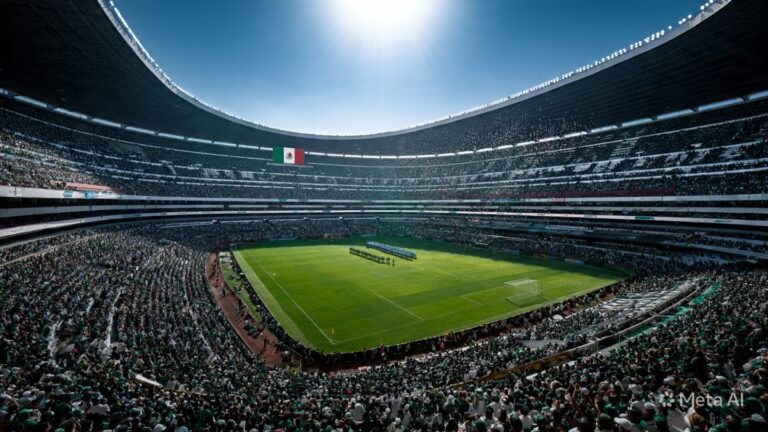
Spain opened its 2026 FIFA World Cup campaign with a scoreless draw against Cape Verde in Group H at Mercedes-Benz Stadium in Atlanta, Georgia. The final score was 0-0. Cape Verde goalkeeper Vozinha made eight saves. Spain generated an expected goals figure of 2.29 against Cape Verde’s 0.3. La Roja’s xG of 2.29, compared to 0.3 for their opponents, paints a picture of what played out in Atlanta but ultimately it is what you do with the ball, and Spain just could not find a goal as Group H got off to an exciting start.
This result changes everything in Group H. It announces Cape Verde as a genuine force at this tournament. And it hands Spain a reality check they did not see coming
The Match How Cape Verde Pulled Off the Impossible
Spain controlled the game from the first whistle. They pressed high, moved the ball with their trademark fluidity, and kept Cape Verde camped in their own half for long stretches of the opening period.
Spain controlled possession from the outset and spent much of the opening 45 minutes camped inside Cape Verde’s half. Veteran goalkeeper Vozinha produced an outstanding display to keep the underdogs level at half-time.
The second half followed the same pattern. Spain pushed more men forward. Lamine Yamal drove at defenders repeatedly. Rodri dictated the rhythm from deep. Mikel Oyarzabal made runs in behind. None of it produced the breakthrough Spain expected.
In the dying minutes, Spain generated five shots in the final ten minutes of regulation and injury time alone including efforts from Yamal in the 90th and 95th minutes, Rodri in the 85th, and Oyarzabal in the 88th. Pedri received a yellow card for serious foul play in the 90th minute as frustration took over. Cape Verde’s Diney Borges and K. Pina both attempted shots of their own in the closing stages, demonstrating that the debutants never simply sat back and absorbed pressure.
The final whistle came. The scoreboard read 0-0. Cape Verde celebrated like champions. Spain trudged off the pitch in stunned silence
Vozinha The Man Who Made History With His Hands
If one player defined this match above all others, it was the Cape Verde goalkeeper known as Vozinha.
Vozinha recorded eight saves during the match a staggering total against a Spain side that generated 2.29 expected goals and dominated possession for the overwhelming majority of 95-plus minutes. He saved efforts from close range. He tipped away curling shots from Yamal. He caught crosses confidently and distributed quickly to trigger Cape Verde’s counter-attacks.
Vozinha plays for Chaves in the Portuguese second division. He did not arrive in Atlanta with the profile of a World Cup star. He left Mercedes-Benz Stadium as one. Every neutral inside that stadium applauded him off the pitch. His performance will appear on highlight reels for years.
For Cape Verde, Vozinha represents a broader truth about this squad that the quality exists throughout the group, not just among the players who ply their trade at the biggest European clubs. His eight saves against the 2024 European champions constitute one of the greatest individual goalkeeping performances in any World Cup opening match in recent memory.
Spain's Tactical Frustration What Went Wrong for La Roja
Spain did not play badly. They played well by almost every statistical measure. They dominated possession. They created 2.29 expected goals a figure that typically produces between two and three goals in a normal match. Their technical quality was evident throughout.
What they lacked was a finishing touch capable of breaking through an organised defensive structure that refused to crack under sustained pressure. Yamal, making his first World Cup finals appearance, showed brilliant individual moments but could not find the decisive final action. Rodri controlled midfield but his late-game shooting effort found Vozinha equal to it. Oyarzabal arrived in dangerous positions repeatedly but could not convert when the moments came.
Spain’s xG of 2.29 against a debut nation illustrates the gap between creating chances and taking them. La Roja’s xG of 2.29 compared to 0.3 for their opponents paints a picture of what played out in Atlanta. Spain dominated every metric except the one that matters: goals.
The coaching staff now faces a serious conversation about clinical finishing before their next Group H match. Losing points to Cape Verde on day one of the tournament fundamentally changes Spain’s qualification path.
Cape Verde's Qualification Journey Why This Debut Deserves Full Context
Cape Verde did not stumble into the 2026 World Cup. They earned their place through one of the most impressive CAF qualification campaigns the continent has produced.
Cape Verde qualified for the 2026 World Cup as CAF Group D winners, securing their place on October 13, 2025. They arrived in Atlanta for their first-ever World Cup finals appearance, ranked 68th in the FIFA world rankings.
In recent competitive action, Cape Verde scored seven goals and conceded six across their qualification period. Their squad features players from across Europe and North America goalkeeper Vozinha plays for Chaves in Portugal, defender Roberto Lopes plays for Shamrock Rovers in Ireland, and defender Steven Moreira plays for Columbus Crew in Major League Soccer.
This is not a team of strangers assembled at the last minute. Cape Verde’s squad carries professional experience across multiple leagues and continents. Their preparation included a 0-0 draw with Iran, a 1-1 draw with Egypt, and a 1-1 draw with Finland in pre-tournament friendlies results that showed consistent defensive organisation against quality opposition.
The 0-0 draw with Spain on Monday was not a fluke. It was the product of deliberate tactical preparation and a squad that arrived at the World Cup ready to compete, not merely to participate.
Group H Standing What This Result Means for Every Team
The Group H table looks dramatically different after Monday’s result than any analyst predicted before the tournament began.
Group H consists of Spain, Cape Verde, Saudi Arabia, and Uruguay. The top two teams advance automatically to the Round of 32, with the third-place team potentially also advancing under the expanded 48-team format.
Spain’s dropped point on day one hands Uruguay and Saudi Arabia an enormous opportunity. Both teams now know that Spain is beatable in this group and that Cape Verde will not simply roll over against any opponent. Every subsequent Group H match carries increased tension as a result.
For Cape Verde, the point against Spain gives them a platform they can build from. Their remaining fixtures are against Uruguay on June 21 in an away match and Saudi Arabia on June 27 at home. Cape Verde face Uruguay away on June 21 and host Saudi Arabia on June 27 in their remaining Group H fixtures.
Uruguay, a two-time World Cup winner ranked 16th in the world, presents the toughest remaining challenge. But Saudi Arabia ranked 60th and with their own upset pedigree from the 2022 World Cup where they beat Argentina represents a genuinely winnable match for Cape Verde. A victory against Saudi Arabia could put the debutants through to the knockout stage.
That scenario seemed impossible before June 15. After Vozinha’s eight saves, nothing about Cape Verde feels impossible anymore
What Spain Must Fix Before Their Next Match
Spain’s coaching staff faces hard questions after Monday. They generated the chances. They controlled the game. They still could not score.
The finishing problem is not new for this Spain generation. At the 2022 World Cup, they generated exceptional expected goals figures in multiple matches yet struggled to convert their dominance into results consistently. That vulnerability cost them in the Round of 16 against Morocco. It appeared again on Monday against Cape Verde.
Luis de la Fuente must decide whether the issue is individual a striker who needs replacing in the lineup or systemic a pattern of creating chances without a true penalty-area presence capable of converting them. Spain’s next Group H opponent and date will determine how much time he has to solve the problem before the stakes become existential for their tournament ambitions.
One point from their opening match as heavy favourites is a result that sends shockwaves through the rest of the tournament bracket. Teams in other groups now know that Spain are vulnerable. The psychological impact of that knowledge extends well beyond Group H
The Bigger Picture What Cape Verde Means for African Football
African football enters every World Cup carrying the weight of unfulfilled potential. The continent has never produced a World Cup finalist. Morocco came closest in 2022, reaching the semi-finals in the greatest achievement in African football tournament history. Cape Verde’s debut performance against the reigning European champions adds another chapter to the story of African football’s growing credibility on the world stage.
Cape Verde arrived for its historic World Cup debut after an impressive qualification campaign, becoming the first Cape Verdean national team to appear at a World Cup finals. The island nation of fewer than 600,000 people held one of world football’s powerhouses scoreless for 95 minutes. That achievement resonates across the entire African continent and across the global football community that loves nothing more than a genuine underdog story delivered with tactical intelligence and collective courage.
Cape Verde did not park the bus and cling to a goalless draw through defensive desperation. They competed. They attempted shots. They pressed when the opportunity arose. They played football with intent against one of the most technically gifted squads in the world and walked away with a point
Bubista The Coach Who Built a Nation's Dream
Behind every historic result stands a coach who believed before anyone else did. Pedro Leitão Brito known throughout Cape Verde simply as Bubista took charge of the national team in 2020 and built the entire squad around continuity, trust, and a defensive organisation that reflects his own playing career as a central defender who earned 28 caps for his country. He did not inherit a settled group. He built one from scratch, combining veteran experience with young diaspora talent and demanding the kind of collective discipline that produces results against far more celebrated opponents. When Cape Verde qualified for the World Cup last October, Bubista told reporters: “Giving this happiness to these people is enormous it’s a victory for all the Cape Verdean people and, above all, a victory for those who fought for our independence.” That qualification came after a five-game winning run that included a decisive victory over Cameroon one of Africa’s most experienced World Cup nations. Cape Verde’s 26-man squad for the 2026 World Cup kept almost the entire core that delivered qualification, with captain Ryan Mendes the 36-year-old who holds the national record with 94 caps and 22 goals leading the Blue Sharks into their first finals appearance. On Monday night in Atlanta, Bubista’s methods produced exactly the result his careful construction deserved. Spain had the stars. Cape Verde had the system. The system won.
Conclusion Cape Verde's World Cup Debut Rewrites What Is Possible in Group H
Spain generated 2.29 expected goals. Spain dominated possession for 95 minutes. Spain sent Lamine Yamal, Rodri, Pedri, and Mikel Oyarzabal onto the pitch. Spain opened its 2026 FIFA World Cup campaign with a scoreless draw against Cape Verde at Mercedes-Benz Stadium in Atlanta, Georgia.
Cape Verde goalkeeper Vozinha made eight saves. Cape Verde’s defenders held their shape for the entire match. Cape Verde’s midfielders tracked runners, closed passing lanes, and maintained their tactical structure under sustained pressure from the most technically accomplished squad in European football.
The final score was 0-0. One point each.
Ultimately it is what you do with the ball and Spain just could not find a goal as Group H gets off to an exciting start. Cape Verde arrived at the World Cup to play football. Against Spain on Monday night in Atlanta, they proved they can do exactly that against any opponent, on any stage, in any pressure situation.
Group H will never be the same again. Neither will Cape Verde football.
Frontier Affairs covers FIFA World Cup 2026, international football, and Group H analysis. This article draws on verified match data and reporting from ESPN, Fox Sports, Heavy.com, Fotmob, Wikipedia’s 2026 FIFA World Cup Group H page, and official FIFA match statistics from June 15, 2026